

Standing at the European Court of Human Rights | with Corina Heri (S01E07)
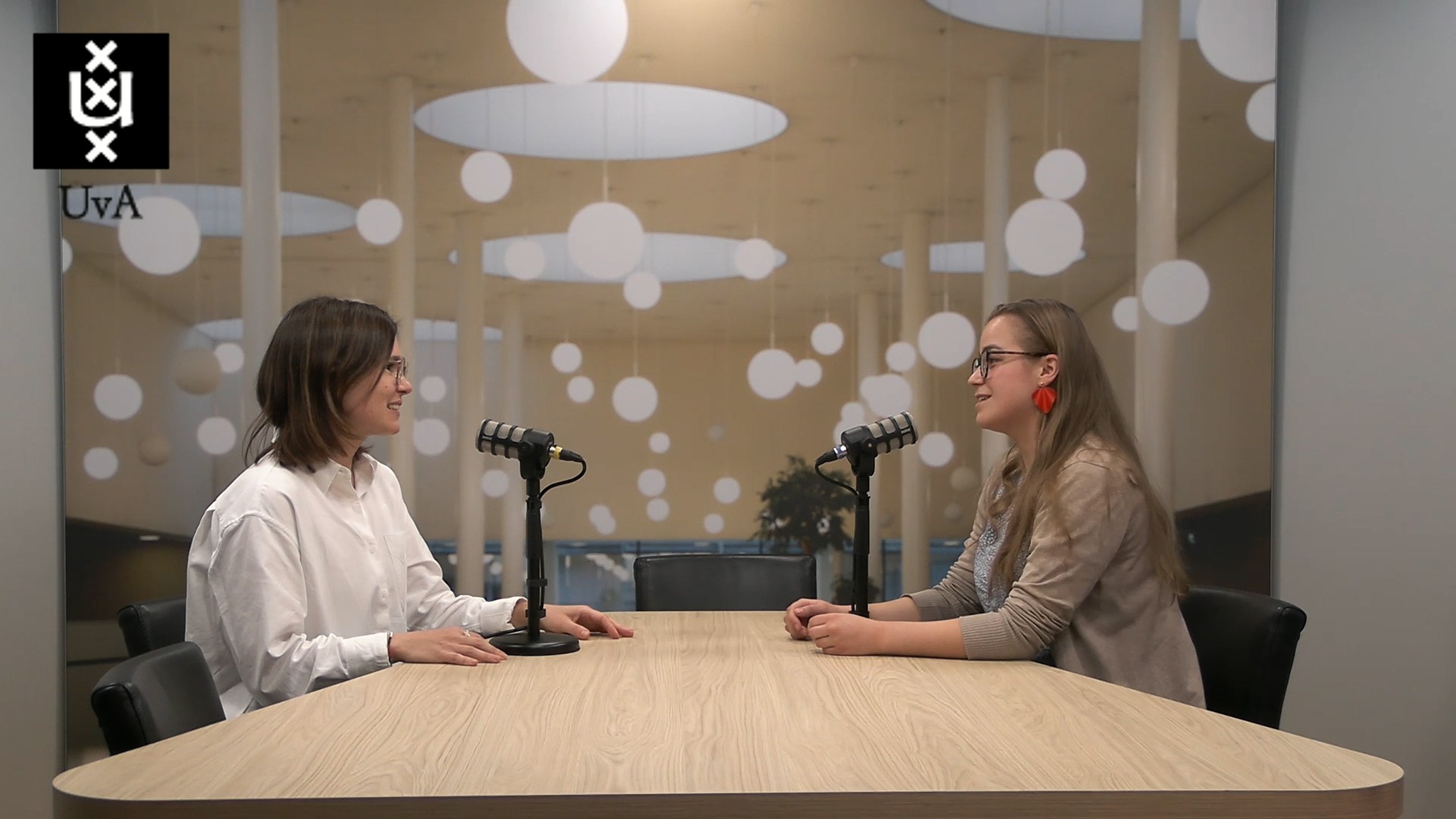
Standing at the European Court of Human Rights
In this episode of Between Heat and Hope we are join by Professor Corina Heri. Corina Heri is Associate Professor of human rights and climate change at Vrije Universiteit Brussel and Primary Investigator of the TEMPORALAW project. In this capacity she works on human rights law, climate change, the role of courts as well as the role of vulnerability in the law.
The conversation sets out discussing climate litigation before the European Court of Human Rights and particularly looks at different questions related to access to court and what kind of applicants can and should bring climate cases. Corina walks us through her critique of climate litigation exclusively being brought by associations as flattening the claims that can be made that way. From KlimaSeniorinnen we look to the wider set of climate cases before the ECtHR and discuss how Duarte Agostinho, Greenpeace Nordic, and possible the pending case Müllner v Austria fit into the puzzle and what they tell us about the Court’s approach to the climate crisis. Corina also shares some more structural insights on the functioning of the Court in relation to its narrative of limited resources and how that impacts its treatment of climate cases. Finally, we get a taste of the questions Corina’s new project TEMPORALAW will investigate.
References
Corina Heri, ‘Climate-related vulnerabilities and the European Court of Human Rights: Reimagining victim status through intersectional thinking’ (2025) 38/5 Leiden Journal of International Law, 88.
TEMPORALAW, Corina Heri PI (funded by the Research Foundation Flanders, Odysseus scheme)
Recommendations
Sunaura Taylor, Beasts of Burden: Animal and Disability Liberation (The New Press, 2017).
Law at the End of the World (Podcast)
About
Editing: Simon Waswa
Music: “Delayed Flight” by Michael Ramir C. via mixkit
Recorded at the University of Amsterdam, April 2026
The LitDem Project
This project has received funding from the European Research Council (ERC) under the European Union’s Horizon Europe research and innovation programme (grant agreement n° 101125511).
Follow us on your favourite platform: